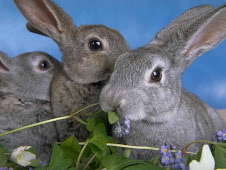
Did I hear that right? When can I ever really get anything for free? Well I have found this site that is offering to help you setup your very own rabbit webpage: create a free rabbit website:
I haven't actually tried this out yet because I have plenty of websites already however this looks like a great idea for someone who doesn't.
Maybe some of you can leave comments below telling us what you think of this opportunity?
Ok, it looks like the guy is even offering to design the whole thing for you, FREE of Charge!
Sunday, March 7, 2010

Rabbit Care Tips
This is a fact about rabbits, even more than with cats and dogs. People have a tendency to buy them on a impulse.Because they are so cute or because the kids wanted him, anyway you take him home wondering:how to take care of my rabbit?Does it sounds familiar?
It is important to do some research on pet rabbits before adopting one to make sure it is the right pet for you. There are 5 essential things they need to be healthy and happy.
Rabbits need a place of their own
First of all a pet rabbit need a cage to be his house. Get the biggest size that you can. A 2x3 feet cage is good for a medium size rabbit.Get the one with the plastic bottom, the wire bottom will damage the rabbit's delicate paws.Get a plastic pan a little bigger than the rabbit and put it in one corner of the cage to be his litter box.
Rabbits need a good diet
Young rabbits should be raised on alfalfa pellets and alfalfa hay at will.Start to give him veggies at the age of 2 months.Rabbits love fresh grass from the yard, dandelions leaves, spinach, celery, carrots leaves, anything dark green.Give him at least 3 different greens everyday to insure a balanced diet.Fruits should be given as treats, a small portion every other day.After the age of 6 months old switch him to Timothy Hay and pellets and reduce to a quater of a cup the amount of pellets per day.
Rabbits need to exercise
A lot of people think a rabbit can live in a cage like a hamster but it is not the case. They need exercise and freedom. You can give them freedom by rabbit-proofing your house.Rabbits can live like house cats and can be easily litter trained.Just pen your rabbit off in the room where is cage is at night or when you are gone using a baby gate.
Rabbits need to be spayed or neutered
Ultered rabbits live a lot longer and have a much happier life.For the females, it eleminate the risk of uterine cancer,witch they are prone to when they dont have babies. A fixed rabbit also have a much desirable behavior as a pet,stops marking his territory and become a lot easier to be litter trained.
Rabbits need your love and attention
Rabbits are highly intelligent and very social animals.They love to be around other rabbits, humans and even get along with other pets such as cats.You need to spend time everyday on the floor with your rabbit and play with him. Give him toys he can chew on such as cardboard tubes, old phone books or boxes.
Source: Free Articles from ArticlesFactory.com
ABOUT THE AUTHOR
I hope you found this little bit of information helpful on how to take care of my rabbit.
Do you know what are the best toys for your rabbit? Feel free to visit my blog at http://www.petrabbitcare.blogspot.com for a lot more tips and great videos and enjoy learning about your pet rabbit!
It is important to do some research on pet rabbits before adopting one to make sure it is the right pet for you. There are 5 essential things they need to be healthy and happy.
Rabbits need a place of their own
First of all a pet rabbit need a cage to be his house. Get the biggest size that you can. A 2x3 feet cage is good for a medium size rabbit.Get the one with the plastic bottom, the wire bottom will damage the rabbit's delicate paws.Get a plastic pan a little bigger than the rabbit and put it in one corner of the cage to be his litter box.
Rabbits need a good diet
Young rabbits should be raised on alfalfa pellets and alfalfa hay at will.Start to give him veggies at the age of 2 months.Rabbits love fresh grass from the yard, dandelions leaves, spinach, celery, carrots leaves, anything dark green.Give him at least 3 different greens everyday to insure a balanced diet.Fruits should be given as treats, a small portion every other day.After the age of 6 months old switch him to Timothy Hay and pellets and reduce to a quater of a cup the amount of pellets per day.
Rabbits need to exercise
A lot of people think a rabbit can live in a cage like a hamster but it is not the case. They need exercise and freedom. You can give them freedom by rabbit-proofing your house.Rabbits can live like house cats and can be easily litter trained.Just pen your rabbit off in the room where is cage is at night or when you are gone using a baby gate.
Rabbits need to be spayed or neutered
Ultered rabbits live a lot longer and have a much happier life.For the females, it eleminate the risk of uterine cancer,witch they are prone to when they dont have babies. A fixed rabbit also have a much desirable behavior as a pet,stops marking his territory and become a lot easier to be litter trained.
Rabbits need your love and attention
Rabbits are highly intelligent and very social animals.They love to be around other rabbits, humans and even get along with other pets such as cats.You need to spend time everyday on the floor with your rabbit and play with him. Give him toys he can chew on such as cardboard tubes, old phone books or boxes.
Source: Free Articles from ArticlesFactory.com
ABOUT THE AUTHOR
I hope you found this little bit of information helpful on how to take care of my rabbit.
Do you know what are the best toys for your rabbit? Feel free to visit my blog at http://www.petrabbitcare.blogspot.com for a lot more tips and great videos and enjoy learning about your pet rabbit!
Raising Rabbits 4 Pets
Rabbits are one of the most popular pets, apart from dogs and cats. They look attractive, lovely, gentle, friendly and cute. They are easy to take care and undemanding in terms of care and housing. They will settle well either indoor or outdoor, at home.
There are 40 species of rabbits and hares worldwide. All domesticated rabbits are originated from European rabbits. The scientific name for domestic rabbit is Oryctolagus cuniculus.
Typically, domesticated rabbits weigh between 2.2-221lb (1-10kg). The domesticated rabbits can be fed on commercially produced rabbit food, pellets, hay, green food, root vegetables, tree bark, herbs and apple.
The gestation period of a rabbit is 31 days and the typical litter size ranges from 6-8 young. The lifespan varies with breed.
Keeping a rabbit as pet requires a good training system to prevent unnecessary destructions or hassle. For example, furniture and carpet chewing problems, pseudo pregnancy symptoms, litter problems, fights, behavioral problems, rabbit-house worries, sickness, fleas, predators and etc. Nevertheless, these challenges can be overcome when the owners have the knowledge and experience to deal with them. Thus, one of the recommended ways to acquire the important knowledge is to read widely and exchange practical information with experienced rabbit owners.
It is important to watch out for any abnormalities in your rabbits as rabbits are susceptible to various digestive ailments and other life-threatening diseases. For example, rabbits are vulnerable to myxomatosis and VHD viruses. These are the killer viruses!
There is no universal system of classification for rabbit breeds. Some popular breeds of rabbits include:
· Alaska
· American Fuzzy Lop
· American Sable
· Angora
· Belgian Hare
· Beveren
· Californian
· Champagne D’Argent
· Checkered Giant
· Chinchilla
· Dutch
· Dwarf Hotot
· English Lop
· Flemish Giant
· Florida White
· Harlequin
· Havana
· Himalayan
· Hotot
· Jersey Wooly
· Lilac
· Holland Lop
· Mini Lop
· Mini Rex
· Netherland Dwarf
· New Zealand
· Palomino
· Polish
· Rex
· Rhinelander
· Satin
· Silver
· Silver Fox
· Silver Marten
· Tan
Article Tags: Domesticated Rabbits
Source: Free Articles from ArticlesFactory.com
ABOUT THE AUTHOR
Rabbit Lover,
www.rabbitinfo.careforpet-rabbit.com
There are 40 species of rabbits and hares worldwide. All domesticated rabbits are originated from European rabbits. The scientific name for domestic rabbit is Oryctolagus cuniculus.
Typically, domesticated rabbits weigh between 2.2-221lb (1-10kg). The domesticated rabbits can be fed on commercially produced rabbit food, pellets, hay, green food, root vegetables, tree bark, herbs and apple.
The gestation period of a rabbit is 31 days and the typical litter size ranges from 6-8 young. The lifespan varies with breed.
Keeping a rabbit as pet requires a good training system to prevent unnecessary destructions or hassle. For example, furniture and carpet chewing problems, pseudo pregnancy symptoms, litter problems, fights, behavioral problems, rabbit-house worries, sickness, fleas, predators and etc. Nevertheless, these challenges can be overcome when the owners have the knowledge and experience to deal with them. Thus, one of the recommended ways to acquire the important knowledge is to read widely and exchange practical information with experienced rabbit owners.
It is important to watch out for any abnormalities in your rabbits as rabbits are susceptible to various digestive ailments and other life-threatening diseases. For example, rabbits are vulnerable to myxomatosis and VHD viruses. These are the killer viruses!
There is no universal system of classification for rabbit breeds. Some popular breeds of rabbits include:
· Alaska
· American Fuzzy Lop
· American Sable
· Angora
· Belgian Hare
· Beveren
· Californian
· Champagne D’Argent
· Checkered Giant
· Chinchilla
· Dutch
· Dwarf Hotot
· English Lop
· Flemish Giant
· Florida White
· Harlequin
· Havana
· Himalayan
· Hotot
· Jersey Wooly
· Lilac
· Holland Lop
· Mini Lop
· Mini Rex
· Netherland Dwarf
· New Zealand
· Palomino
· Polish
· Rex
· Rhinelander
· Satin
· Silver
· Silver Fox
· Silver Marten
· Tan
Article Tags: Domesticated Rabbits
Source: Free Articles from ArticlesFactory.com
ABOUT THE AUTHOR
Rabbit Lover,
www.rabbitinfo.careforpet-rabbit.com
Saturday, March 6, 2010
Rabbit and Cat Love
OMG, this rabbit video is so cute! I guess rabbits get along with any type of animal as long as they are put together when they are still young.
You can also check out this article about: how to train rabbits.
You can also check out this article about: how to train rabbits.
All about raising baby rabbits
Raising baby rabbits are not just like taking care of kittens or puppies because their mothers have a different way of nursing their young. Mother rabbits are very central to the lives of their babies or kits because they don't stop taking care of them until they are strong enough to fend for themselves. Thus, in raising baby rabbits, one must also give equal care to the doe in order to properly support the young. The first thing that needs to be done in raising baby rabbits is setting up a comfortable nest for the doe days before it is about to give birth. Common nests used are the wooden nest box or even an ordinary litter box. The nest should first be lined with a bunny litter material that will help absorb urine or birth fluids to make the mother rabbit comfortable. Afterwards, the nest should be topped with hay, dried grasses, or even saw dust to help make the space warmer.
In most cases, the doe is the one who really feeds her young so there should be no problem when it comes to this part. The owner's only concern would be to provide the mother with the appropriate foods to make sure that she generates good milk for her babies. In raising baby rabbits, some people think that the mothers don't feed their young because they rarely see the doe doing it. This is a misconception, however, because unlike other animals, baby rabbits are only fed once a day and within 12 midnight to 5 am in the morning only.
Also, in raising baby rabbits, it is important to assess the attitude of the mother with regards to her babies. If the doe appears nervous and agitated in her cage days after she has given birth, this is the time when the owner has to directly monitor the babies to see if they are warm enough. If the kits look shriveled with baggy skin and sunken tummies then they have to be fed with other food instead. Monitoring the temperature is also important in raising kits. The babies should be kept from losing too much of their body heat because the more they use it, the higher their chances of eating more. This may be a problem given that they are only fed once a day. In rare situations when the mother is not up to nurse her babies, a heating pad must be placed on the nest to keep the babies warm during their first week.
In most cases, the doe is the one who really feeds her young so there should be no problem when it comes to this part. The owner's only concern would be to provide the mother with the appropriate foods to make sure that she generates good milk for her babies. In raising baby rabbits, some people think that the mothers don't feed their young because they rarely see the doe doing it. This is a misconception, however, because unlike other animals, baby rabbits are only fed once a day and within 12 midnight to 5 am in the morning only.
Also, in raising baby rabbits, it is important to assess the attitude of the mother with regards to her babies. If the doe appears nervous and agitated in her cage days after she has given birth, this is the time when the owner has to directly monitor the babies to see if they are warm enough. If the kits look shriveled with baggy skin and sunken tummies then they have to be fed with other food instead. Monitoring the temperature is also important in raising kits. The babies should be kept from losing too much of their body heat because the more they use it, the higher their chances of eating more. This may be a problem given that they are only fed once a day. In rare situations when the mother is not up to nurse her babies, a heating pad must be placed on the nest to keep the babies warm during their first week.
Hunting for Rabbits is CRUEL
For many people, hunting rabbits is cruel and strange punishment. For others, however, hunting rabbits is an age old sport that requires patience and knack. This clause will address to the later while paying no demur to the past, realizing that the rabbit obtain is as old a tradition in America as hunting other animals and acknowledging that, while hunting may not be vital in any modern situation, it is a heck of a lot of fun.
Most people elect to rummage rabbits with a dog. This is because with a dog can help pass the rabbit out into the open or can help draw the seeker towards the grassland in which the rabbits are more abundant. A dog could also fulfil as a great companion to hunting, enabling the seeker actually to have superstar to talk to instead of the cold steel of the Remington ransack. Still, some people show to quest lacking a furry comrade, making for a different hunting experience.
When people shadow for rabbits lacking a dog, it is important to learn the persona and factors tangled with rabbits. The hunter must virtually become the rabbit; culture the rabbits pathways and food stops are really important to a successful rabbit seek, so thoughts like a rabbit is basic to the victory of the hunt. Of course, thoughts like a rabbit may tell you that murder these furry little links for sport isn't such a great idea. If that happens, flaunt those details and focus in on your goal of bagging a fluffy bunny.
A value time to hunt bunnies is in the first snug existence of give. Here, bunnies will prone be drenched up the sun and having a great time in open fields. This is a great time to infringe out your rifle and depart bagging some rabbits. The time value because, relative to the coldness, the rabbits you seek will be more out in the open and more prone to be obvious to the naked eye. In iciness, rabbits lean stylishly to develop brush shield and brambles to encompass their tracks from snooping bloodhounds.
It is important to grasp the rabbits lean to run from part to area. This, of course, does not mean that you should not actively lookout the rabbit while firing amazingly into the open province. What it does mean is that a hunter can actively trail the alleyway of the rabbit by study for recurring steps in language of the tracking. A rabbit would only run in a curt line for a tiny time, altering velocity and darting back and forth in pointy hops awaiting it reaches its cautious protect. Knowing this, pursue the rabbit with your tracking skills and nail it before it hops down the rabbit aperture and back to Wonderland.
Many hunters make the gaffe of pitiful too swiftly and making too much clamor when hunting rabbits. Just ask Elmer Fudd about the best options for hunting rabbits and he will tell you that the best system for hunting "wabbits" is slowly to stalk the prey before firing off shot after shot from your alarmingly giant elephant gun. The upright fidelity about hunting bunnies is that the system must reduce somewhere in the median. Charging into the center of a known rabbit field with your guns intense will liable not discover you any rabbits, but you do essential to be somewhat pushy to bag a bunny.
The global best system for hunting rabbits is what is known as the "prevent and go" procedure. This skill is right what it sounds like; the essence of the interrupt and go practice is in using tip-toe grace movements and stalking the rabbit through study it, affecting towards it and touching expand towards it. As you can pattern the rabbits' movements, you can eventually squeeze off a shot and bewilder feeble Cottontail in the stem to impress all your friends. If you lose, however, be thorough. Some rabbits actually spiciness.
(ArticlesBase SC #758775)
Most people elect to rummage rabbits with a dog. This is because with a dog can help pass the rabbit out into the open or can help draw the seeker towards the grassland in which the rabbits are more abundant. A dog could also fulfil as a great companion to hunting, enabling the seeker actually to have superstar to talk to instead of the cold steel of the Remington ransack. Still, some people show to quest lacking a furry comrade, making for a different hunting experience.
When people shadow for rabbits lacking a dog, it is important to learn the persona and factors tangled with rabbits. The hunter must virtually become the rabbit; culture the rabbits pathways and food stops are really important to a successful rabbit seek, so thoughts like a rabbit is basic to the victory of the hunt. Of course, thoughts like a rabbit may tell you that murder these furry little links for sport isn't such a great idea. If that happens, flaunt those details and focus in on your goal of bagging a fluffy bunny.
A value time to hunt bunnies is in the first snug existence of give. Here, bunnies will prone be drenched up the sun and having a great time in open fields. This is a great time to infringe out your rifle and depart bagging some rabbits. The time value because, relative to the coldness, the rabbits you seek will be more out in the open and more prone to be obvious to the naked eye. In iciness, rabbits lean stylishly to develop brush shield and brambles to encompass their tracks from snooping bloodhounds.
It is important to grasp the rabbits lean to run from part to area. This, of course, does not mean that you should not actively lookout the rabbit while firing amazingly into the open province. What it does mean is that a hunter can actively trail the alleyway of the rabbit by study for recurring steps in language of the tracking. A rabbit would only run in a curt line for a tiny time, altering velocity and darting back and forth in pointy hops awaiting it reaches its cautious protect. Knowing this, pursue the rabbit with your tracking skills and nail it before it hops down the rabbit aperture and back to Wonderland.
Many hunters make the gaffe of pitiful too swiftly and making too much clamor when hunting rabbits. Just ask Elmer Fudd about the best options for hunting rabbits and he will tell you that the best system for hunting "wabbits" is slowly to stalk the prey before firing off shot after shot from your alarmingly giant elephant gun. The upright fidelity about hunting bunnies is that the system must reduce somewhere in the median. Charging into the center of a known rabbit field with your guns intense will liable not discover you any rabbits, but you do essential to be somewhat pushy to bag a bunny.
The global best system for hunting rabbits is what is known as the "prevent and go" procedure. This skill is right what it sounds like; the essence of the interrupt and go practice is in using tip-toe grace movements and stalking the rabbit through study it, affecting towards it and touching expand towards it. As you can pattern the rabbits' movements, you can eventually squeeze off a shot and bewilder feeble Cottontail in the stem to impress all your friends. If you lose, however, be thorough. Some rabbits actually spiciness.
(ArticlesBase SC #758775)
How to train a rabbit
f you own a rabbit and aren't quite sure what to do with him or her why not train him. I will show you step by step how to litter train your pet rabbit. Within a few weeks, your rabbit will be trained to use a litter box both in and out of his cage. Don't worry, its not that hard to do, I did it with my six year old daughter.
Here are three things you should do before you start to actually train your rabbit.
1) Make sure you have a proper cage for your rabbit:
His cage should be big enough for him to have a "living" area and a "potty" area.
2)Let your rabbit exercise everyday.
You should have your rabbit out to exercise 1-2 times a day for 30-60 minutes.
3) Feed your rabbit
You should feed your rabbit a combination of fruits, vegetables and dry food three times a day.You will find that your rabbit has one or two favorite treats which you will use when you begin to train him.
Ok now that you have spent a some time getting to know your rabbit and have become friends its time to start training.
Litter Training Your Rabbit
This should be the first thing you teach your rabbit to do. It is a fairly easy task to do plus it will eliminate having to clean up after him while you are training himother commands. You will need a litterpan about 4 inches high and either hay or nonclumping rabbit litter to put in the litter box. DO NOT use regular cat litter. The dust can cause respiratory problems for your rabbit. Place the litter box in the room where you have been letting him exercise. Remove some "rabbit pebbles" from the bottom of your rabbits cage and place them in the litter box. Put your rabbit in the litter box and use a command like "rabbits name, go pebbles" or "rabbits name, go potty ". Don't worry if your rabbit hops out of the box, let him hop around for 10 minutes then place him back in the box and repeat the command. When you see your rabbit go potty in the box, praise him by scratching his nose or stroking his head and say "good rabbits name" or good boy/girl". DO NOT give your rabbit a treat for going potty. Do this everyday for a week. By the end of the week your rabbit should hop in the pan and go potty whenever you have him out of his cage.
(ArticlesBase SC #641424)
Here are three things you should do before you start to actually train your rabbit.
1) Make sure you have a proper cage for your rabbit:
His cage should be big enough for him to have a "living" area and a "potty" area.
2)Let your rabbit exercise everyday.
You should have your rabbit out to exercise 1-2 times a day for 30-60 minutes.
3) Feed your rabbit
You should feed your rabbit a combination of fruits, vegetables and dry food three times a day.You will find that your rabbit has one or two favorite treats which you will use when you begin to train him.
Ok now that you have spent a some time getting to know your rabbit and have become friends its time to start training.
Litter Training Your Rabbit
This should be the first thing you teach your rabbit to do. It is a fairly easy task to do plus it will eliminate having to clean up after him while you are training himother commands. You will need a litterpan about 4 inches high and either hay or nonclumping rabbit litter to put in the litter box. DO NOT use regular cat litter. The dust can cause respiratory problems for your rabbit. Place the litter box in the room where you have been letting him exercise. Remove some "rabbit pebbles" from the bottom of your rabbits cage and place them in the litter box. Put your rabbit in the litter box and use a command like "rabbits name, go pebbles" or "rabbits name, go potty ". Don't worry if your rabbit hops out of the box, let him hop around for 10 minutes then place him back in the box and repeat the command. When you see your rabbit go potty in the box, praise him by scratching his nose or stroking his head and say "good rabbits name" or good boy/girl". DO NOT give your rabbit a treat for going potty. Do this everyday for a week. By the end of the week your rabbit should hop in the pan and go potty whenever you have him out of his cage.
(ArticlesBase SC #641424)
Is your rabbit on a good diet?
The typical diet for a pet rabbit consists of water, hay, pellets, fresh vegetables, and its own caecal pellets. Fruit and other treats are given only in very limited quantities, as they can cause obesity in a rabbit. Rabbits require a constant water supply as they dehydrate quickly.
Most sources recommend 80% of the diet should be Timothy hay or another grass hay. Too many vegetables in a rabbit's diet typically leads to diarrhea and other digestive problems.
Pellets
Rabbits are generally fed a pelleted feed available from pet stores, supermarkets, and farm suppliers. Pellets were originally designed for rabbit breeders for the purpose of providing as much food energy and vitamins as inexpensively as possible. This is optimal when the rabbits are being bred for food or for experimentation.
Most sources recommend a minimum of 18% fiber, low protein (14?15%), and less than 1% calcium. Depending on the amount of vegetables available, an adult rabbit should be given between 20 ml to 40 ml per kilogram (? and ? cup of pellets per 6 pounds) body weight daily. Pre-adolescent and adolescent rabbits (7 months and younger) can be given as much pelleted diet as they can consume, although additional vegetables are preferable to additional pellets. An older rabbit (over six years) can be given more pellets if they are having difficulty maintaining a steady body weight. Timothy hay-based pellets are great for rabbits that have stopped growing and do not need to gain weight. Alfalfa-based pellets are best only for young, growing rabbits or older rabbits who are under-weight.
Hay
Hay is essential for the health of all rabbits. A steady supply of hay will help prevent gastrointestinal stasis and other digestive tract problems in rabbits. Additionally, it provides a number of necessary vitamins and minerals at a low food energy cost. Rabbits enjoy chewing on hay, and always having hay available for the rabbit may reduce its tendency to chew on other items. Timothy hay and other grass hays are considered the healthiest to provide the rabbit. As a persistently high blood calcium level can prove harmful to the rabbit, hays such as alfalfa and clover hay should be avoided. Alfalfa is also relatively high in food energy, and a constant diet of it can cause obesity in rabbits.
Treats
Treats are unhealthy in large quantities for rabbits, just as they are for humans. Most treats sold in pet stores are filled with sugar and high food energy carbohydrates. If an owner is determined to feed the rabbit treats, the best treat to provide it with is fruit.
Acceptable fruits (seeds and pits MUST be removed): Banana, Mango, Pineapple, Peach, Apple, Kiwi, Berries, Orange and other citrus fruits.
Pineapple, mango, and papaya all contain a natural enzyme which is thought to reduce hairballs.
Fruits or other treats must be given in moderation, as rabbits easily become overweight and suffer health problems. Their diet should consist of no more than half a tablespoon of fruits or treats per day.
However, fresh fruits should not be given to rabbits under the age of 4 months because their digestive systems are not always developed enough to handle the fruit. It can cause enteritis that causes death within 48 hours.
While a common myth that rabbits should be given lettuce, this is not a good idea because it contains little to no nutritional value for the rabbit and again can cause enteritis which leads to a quick death.
Caecal pellets
Do not be alarmed if you see your rabbit eat some of his feces. These are called cecal pellets, and are a vital part of his diet. Caecal pellets are soft, smelly, clumpy feces, and are a rabbit's only supply of Vitamin B12. Due to the design of the rabbit's digestive system, they cannot extract some vitamins and minerals directly from their food. At the end of their digestive system is an area called the caecum where cellulose and other plant fibers are broken down and ferment. After they have been broken down and passed, a rabbit's digestive system can finally extract the vitamins from them.
(ArticlesBase SC #24587)
Most sources recommend 80% of the diet should be Timothy hay or another grass hay. Too many vegetables in a rabbit's diet typically leads to diarrhea and other digestive problems.
Pellets
Rabbits are generally fed a pelleted feed available from pet stores, supermarkets, and farm suppliers. Pellets were originally designed for rabbit breeders for the purpose of providing as much food energy and vitamins as inexpensively as possible. This is optimal when the rabbits are being bred for food or for experimentation.
Most sources recommend a minimum of 18% fiber, low protein (14?15%), and less than 1% calcium. Depending on the amount of vegetables available, an adult rabbit should be given between 20 ml to 40 ml per kilogram (? and ? cup of pellets per 6 pounds) body weight daily. Pre-adolescent and adolescent rabbits (7 months and younger) can be given as much pelleted diet as they can consume, although additional vegetables are preferable to additional pellets. An older rabbit (over six years) can be given more pellets if they are having difficulty maintaining a steady body weight. Timothy hay-based pellets are great for rabbits that have stopped growing and do not need to gain weight. Alfalfa-based pellets are best only for young, growing rabbits or older rabbits who are under-weight.
Hay
Hay is essential for the health of all rabbits. A steady supply of hay will help prevent gastrointestinal stasis and other digestive tract problems in rabbits. Additionally, it provides a number of necessary vitamins and minerals at a low food energy cost. Rabbits enjoy chewing on hay, and always having hay available for the rabbit may reduce its tendency to chew on other items. Timothy hay and other grass hays are considered the healthiest to provide the rabbit. As a persistently high blood calcium level can prove harmful to the rabbit, hays such as alfalfa and clover hay should be avoided. Alfalfa is also relatively high in food energy, and a constant diet of it can cause obesity in rabbits.
Treats
Treats are unhealthy in large quantities for rabbits, just as they are for humans. Most treats sold in pet stores are filled with sugar and high food energy carbohydrates. If an owner is determined to feed the rabbit treats, the best treat to provide it with is fruit.
Acceptable fruits (seeds and pits MUST be removed): Banana, Mango, Pineapple, Peach, Apple, Kiwi, Berries, Orange and other citrus fruits.
Pineapple, mango, and papaya all contain a natural enzyme which is thought to reduce hairballs.
Fruits or other treats must be given in moderation, as rabbits easily become overweight and suffer health problems. Their diet should consist of no more than half a tablespoon of fruits or treats per day.
However, fresh fruits should not be given to rabbits under the age of 4 months because their digestive systems are not always developed enough to handle the fruit. It can cause enteritis that causes death within 48 hours.
While a common myth that rabbits should be given lettuce, this is not a good idea because it contains little to no nutritional value for the rabbit and again can cause enteritis which leads to a quick death.
Caecal pellets
Do not be alarmed if you see your rabbit eat some of his feces. These are called cecal pellets, and are a vital part of his diet. Caecal pellets are soft, smelly, clumpy feces, and are a rabbit's only supply of Vitamin B12. Due to the design of the rabbit's digestive system, they cannot extract some vitamins and minerals directly from their food. At the end of their digestive system is an area called the caecum where cellulose and other plant fibers are broken down and ferment. After they have been broken down and passed, a rabbit's digestive system can finally extract the vitamins from them.
(ArticlesBase SC #24587)
Is your rabbit healthy?
Springtime will be hopping along soon and many children will be receiving Easter bunnies. We want to share tips on how to spot health problems to keep your rabbits healthy. If your rabbits strain to urinate, experience a loss of appetite, or have a temperature these are warning signs of potential health problems.
Pine and cedar shavings are a definite no-no for your rabbit bed. Softwoods produce hydrocarbons that cause liver damage and respiratory health problems for small animals such as rabbits. Organic litter and newspaper is a safer alternative. Red urine is not always a reason for concern. A Rabbit's urine may be clear to yellow colored or brown to a bright red color. The veterinarian can test the urine for blood if the condition continues.
The antibiotic, Amoxicillin, should never be given to rabbits. Penicillin-based drugs are very dangerous for a rabbit. There are rabbit-safe antibiotics that can be prescribed by the vet. A rabbit's teeth can be uneven just like Bugs Bunny. This is because rabbits continually grow teeth. The teeth will need to be clipped if the alignment keeps the rabbit from eating. Usually this condition is only a problem with the front teeth not wearing down properly.
Rabbits get hairballs the same as cats and shedding is how to spot health problems in rabbits. Rabbits shed heavily every three months. A light shedding follows, then back to a heavy shedding, and so on. Shedding is often a cause in what kills rabbits. It is important to brush rabbits when they begin to shed. Rabbits groom themselves, but are unable to cough up hairballs like cats. A constant supply of fresh hay helps the rabbit digest the hair.
Many people do not realize that you can have your rabbits spayed or neutered just like other pets. The risk of fatal reproductive cancer in a female rabbit is nearly 85 percent making spaying necessary in keeping your rabbits healthy. Neutering male rabbits eliminates spraying and aggression. To neuter or spay rabbits is a safe and effective solution to hold down the rabbit population.
Bacterial infections caught early are much easier to cure. For symptoms of a bacterial infection in rabbits, how to spot health problems are runny eyes or nose, high fever, or a rattling sound in the chest. You need to take the rabbit in right away to see the veterinarian if any of these first signs of infection appear.
If your rabbit shows signs of digestive problems, you should seek medical attention as soon as possible. Diarrhea can kill rabbits. Runny diarrhea is the health problem that requires immediate care. A rabbit's droppings should not be clumpy or soft. Also, watch out for loud stomach growling or no droppings at all.
Rabbits make wonderful pets and it is very important to learn how to spot health problems to keep your family pet healthy for years to come. For centuries, a rabbit's foot has been a symbol of good luck. It is not the feet that are lucky it is the whole rabbit! It would have been too awkward to carry an entire rabbit in your pocket. A pen of furry friends means many blessings for you.
For all of the latest information and to see pictures of our mini lop rabbits please visit Mini Lop Rabbits.
Article Source: http://EzineArticles.com/?expert=Amanda_Isbitt
Pine and cedar shavings are a definite no-no for your rabbit bed. Softwoods produce hydrocarbons that cause liver damage and respiratory health problems for small animals such as rabbits. Organic litter and newspaper is a safer alternative. Red urine is not always a reason for concern. A Rabbit's urine may be clear to yellow colored or brown to a bright red color. The veterinarian can test the urine for blood if the condition continues.
The antibiotic, Amoxicillin, should never be given to rabbits. Penicillin-based drugs are very dangerous for a rabbit. There are rabbit-safe antibiotics that can be prescribed by the vet. A rabbit's teeth can be uneven just like Bugs Bunny. This is because rabbits continually grow teeth. The teeth will need to be clipped if the alignment keeps the rabbit from eating. Usually this condition is only a problem with the front teeth not wearing down properly.
Rabbits get hairballs the same as cats and shedding is how to spot health problems in rabbits. Rabbits shed heavily every three months. A light shedding follows, then back to a heavy shedding, and so on. Shedding is often a cause in what kills rabbits. It is important to brush rabbits when they begin to shed. Rabbits groom themselves, but are unable to cough up hairballs like cats. A constant supply of fresh hay helps the rabbit digest the hair.
Many people do not realize that you can have your rabbits spayed or neutered just like other pets. The risk of fatal reproductive cancer in a female rabbit is nearly 85 percent making spaying necessary in keeping your rabbits healthy. Neutering male rabbits eliminates spraying and aggression. To neuter or spay rabbits is a safe and effective solution to hold down the rabbit population.
Bacterial infections caught early are much easier to cure. For symptoms of a bacterial infection in rabbits, how to spot health problems are runny eyes or nose, high fever, or a rattling sound in the chest. You need to take the rabbit in right away to see the veterinarian if any of these first signs of infection appear.
If your rabbit shows signs of digestive problems, you should seek medical attention as soon as possible. Diarrhea can kill rabbits. Runny diarrhea is the health problem that requires immediate care. A rabbit's droppings should not be clumpy or soft. Also, watch out for loud stomach growling or no droppings at all.
Rabbits make wonderful pets and it is very important to learn how to spot health problems to keep your family pet healthy for years to come. For centuries, a rabbit's foot has been a symbol of good luck. It is not the feet that are lucky it is the whole rabbit! It would have been too awkward to carry an entire rabbit in your pocket. A pen of furry friends means many blessings for you.
For all of the latest information and to see pictures of our mini lop rabbits please visit Mini Lop Rabbits.
Article Source: http://EzineArticles.com/?expert=Amanda_Isbitt
Raising Rabbits: Reasons for adopting a rabbit
So, you've decided to get a rabbit. You've done all your research. You've rabbit-proofed your home. You've got a cage, food, and lots of toys. You've even decided on a name. But perhaps the most important decision is yet to come: where do you get your rabbit?
Many pet stores offer rabbits for sale. Upon seeing a crate full of adorably helpless baby bunnies, many folks can't resist the urge to take one home right there and then. Pet stores count on the appeal of the immature rabbit to stimulate impulse buying. Frequently, the rabbit is bought as a child's pet by an adult who does not realize that rabbits make poor pets for small children. There are no reliable figures as to how many of these rabbits are abandoned, given up to shelters, or die from improper care, but it seems likely that many suffer such a fate. One animal rescue organization reports that in 2007, they received requests for sheltering for 380 rabbits- while in the same year, they placed only two rabbits in new homes. Most people think of rabbits as a kind of rodent, and on par with a rat or gerbil in terms of care and commitment required. This misconception has terrible consequences for the unlucky rabbit. With an average lifespan of around 10 years, the baby rabbit you bought for your child when he was 8 should still be alive when he's getting ready to graduate from high school.
This is only one of the many reasons that adopting a rabbit from an animal shelter is preferable to buying one from a pet store or breeder. Most rabbits sold in pet stores are less than a year old, and if the store is not particularly scrupulous, they may even be younger than 6 weeks- the minimum age at which a rabbit can be removed from its mother. Rabbits found in animal shelters run the gamut of ages, from a few months to old age. By choosing a rabbit whose age aligns with the length of commitment you are willing to make, you will save yourself and the rabbit a great deal of hardship. Also, mature rabbits are often better choices for first-time rabbit owners. Their behavioral patterns have become more predictable, and they have already passed through their "rebellious teen" period. Shelter volunteers are much more likely to be familiar with the unique personalities of the individual rabbits they offer than a pet store employee. This will go a long way toward avoiding disaster down the line, when that bunny that was so cute and appealing as a kit becomes an unholy terror in maturity.
Also, adoption is a far more economical option than purchasing a rabbit. You save the price of the rabbit itself- typically between $20-50. Much more significantly, however, you save the cost of spaying/neutering the animal. This is an essentially non-optional procedure for most people interested in owning a rabbit as a pet. Rabbits that have not been fixed will be more aggressive and temperamental, will frequently spray objects with its scent glands, and are more prone to various health problems, such as uterine cancer. Prices for the procedure vary greatly from one veterinarian to another, but it will cost at least $100. Rabbits adopted from shelters are almost always fixed beforehand, so the adoption fee (usually about $30) is a terrific bargain.
Finally, adopting a rabbit is a humane and ethical way to own a pet without contributing to cruelty and neglect. Although many rabbit breeders do maintain high standards of care, many others operate as "rabbit mills" where most rabbits lead short, brutal existences. Pet stores often keep rabbits in substandard conditions, with little knowledge of the needs of the animal, and sometimes euthanize the animal once they reach maturity. Given the substantial excess of rabbits held in shelters, there is no reason to support industries that contribute to the problems of rabbit overpopulation and neglect. By adopting a rabbit, you not only save that animal from euthanization, but also evade taking part in a morally dubious industry.
If you are considering purchasing a rabbit from a store or breeder simply because you've heard that a given breed is "the best breed for pet rabbits", you may want to reconsider. While breeders and owners do report some very general trends in the behavior of specific breeds, rabbits are far too individualistic in their personalities for these trends to be reliable. Any breed can produce a first-rate pet, or a total basket case. If you want to be sure that the rabbit you are getting will make a good pet, speaking to a knowledgeable shelter employee about a specific rabbit is a much better bet. When all these factors are considered, there is very little reason not to adopt a rabbit. Doing so will save you money, stress and uncertainty, and most importantly of all, the life of a rabbit.
When it comes to the health and happiness of your pet rabbit, choosing a quality living environment should be on the top of your list. Whether you choose quality Rabbit Cages or opt for larger Rabbit Hutches, the quality of the materials and the construction of the dwelling will determine how well it works for your particular furry friend.
Article Source: http://EzineArticles.com/?expert=Andrew_Massaro
Many pet stores offer rabbits for sale. Upon seeing a crate full of adorably helpless baby bunnies, many folks can't resist the urge to take one home right there and then. Pet stores count on the appeal of the immature rabbit to stimulate impulse buying. Frequently, the rabbit is bought as a child's pet by an adult who does not realize that rabbits make poor pets for small children. There are no reliable figures as to how many of these rabbits are abandoned, given up to shelters, or die from improper care, but it seems likely that many suffer such a fate. One animal rescue organization reports that in 2007, they received requests for sheltering for 380 rabbits- while in the same year, they placed only two rabbits in new homes. Most people think of rabbits as a kind of rodent, and on par with a rat or gerbil in terms of care and commitment required. This misconception has terrible consequences for the unlucky rabbit. With an average lifespan of around 10 years, the baby rabbit you bought for your child when he was 8 should still be alive when he's getting ready to graduate from high school.
This is only one of the many reasons that adopting a rabbit from an animal shelter is preferable to buying one from a pet store or breeder. Most rabbits sold in pet stores are less than a year old, and if the store is not particularly scrupulous, they may even be younger than 6 weeks- the minimum age at which a rabbit can be removed from its mother. Rabbits found in animal shelters run the gamut of ages, from a few months to old age. By choosing a rabbit whose age aligns with the length of commitment you are willing to make, you will save yourself and the rabbit a great deal of hardship. Also, mature rabbits are often better choices for first-time rabbit owners. Their behavioral patterns have become more predictable, and they have already passed through their "rebellious teen" period. Shelter volunteers are much more likely to be familiar with the unique personalities of the individual rabbits they offer than a pet store employee. This will go a long way toward avoiding disaster down the line, when that bunny that was so cute and appealing as a kit becomes an unholy terror in maturity.
Also, adoption is a far more economical option than purchasing a rabbit. You save the price of the rabbit itself- typically between $20-50. Much more significantly, however, you save the cost of spaying/neutering the animal. This is an essentially non-optional procedure for most people interested in owning a rabbit as a pet. Rabbits that have not been fixed will be more aggressive and temperamental, will frequently spray objects with its scent glands, and are more prone to various health problems, such as uterine cancer. Prices for the procedure vary greatly from one veterinarian to another, but it will cost at least $100. Rabbits adopted from shelters are almost always fixed beforehand, so the adoption fee (usually about $30) is a terrific bargain.
Finally, adopting a rabbit is a humane and ethical way to own a pet without contributing to cruelty and neglect. Although many rabbit breeders do maintain high standards of care, many others operate as "rabbit mills" where most rabbits lead short, brutal existences. Pet stores often keep rabbits in substandard conditions, with little knowledge of the needs of the animal, and sometimes euthanize the animal once they reach maturity. Given the substantial excess of rabbits held in shelters, there is no reason to support industries that contribute to the problems of rabbit overpopulation and neglect. By adopting a rabbit, you not only save that animal from euthanization, but also evade taking part in a morally dubious industry.
If you are considering purchasing a rabbit from a store or breeder simply because you've heard that a given breed is "the best breed for pet rabbits", you may want to reconsider. While breeders and owners do report some very general trends in the behavior of specific breeds, rabbits are far too individualistic in their personalities for these trends to be reliable. Any breed can produce a first-rate pet, or a total basket case. If you want to be sure that the rabbit you are getting will make a good pet, speaking to a knowledgeable shelter employee about a specific rabbit is a much better bet. When all these factors are considered, there is very little reason not to adopt a rabbit. Doing so will save you money, stress and uncertainty, and most importantly of all, the life of a rabbit.
When it comes to the health and happiness of your pet rabbit, choosing a quality living environment should be on the top of your list. Whether you choose quality Rabbit Cages or opt for larger Rabbit Hutches, the quality of the materials and the construction of the dwelling will determine how well it works for your particular furry friend.
Article Source: http://EzineArticles.com/?expert=Andrew_Massaro
Where your rabbit should live
Rabbits make wonderful pets, they are gentle creatures who like to cuddle and explore and actually seem to like the company of people. If you are thinking of adopting a rabbit as a pet, there are a lot of things you will need to consider before bringing your new pet home.
One of the most important decisions you will make is deciding on where and what type of home your new pet will have. There are two basic options available: a hutch or a cage. Taking a closer look at these two options will help you make the right choice for your new pet rabbit.
Hutches
Rabbit hutches are designed for rabbits who will live out -doors. They usually, though not always consist of three wooden sides and a wire front and bottom. There is usually a door in the back of the cage to get your rabbit out and many rabbit hutches have a removal top to make cleaning the hutch easier.
A hutch is generally sturdily built and sits on long sturdy legs to keep the rabbit off the ground where rabbits would be subjected to chills and more accessible to predators. Hutches were originally designed for people who kept meat rabbits. They are extremely efficient for that purpose as a large hutch can house several rabbits in individual units. More recently some pet rabbit owners have taken to housing their rabbits in outside hutches.
Pros and Cons of Housing a Pet in a Hutch
There are a few pros about using a rabbit hutch over an inside cage. The most obvious one is that rabbit's waste smells. If you don't intend on cleaning your rabbit cage daily then perhaps considering housing your rabbit in a hutch might be a good idea.
Rabbit hutches make daily cage cleaning unnecessary. However, keep in mind that a rabbit hutch does need cleaned on a weekly or biweekly basis and that you also need to clean under the pen where droppings will pile up.
Another positive of a rabbit hutch is that for people wishing to own a rabbit but lack adequate space inside for a reasonably sized cage a hutch makes having a rabbit a possibility.
However, when considering whether or not to house your pet rabbit in an outside hutch you should consider the following negatives.
An outside rabbit is at the mercy of a variety of predators. While hutches are built to help discourage some predators they cannot protect your rabbit from all predators. An outside rabbit will be at the mercy of neighborhood cats, dogs, coyotes, and other predators. Even if these animals cannot gain access to the inside of the hutch they can and often do harass a rabbit to death.
For added protection of any rabbit living in a hutch you will need to have some type of completely enclosed housing that will allow the rabbit to escape and hide from these predators.
Weather is another consideration when deciding on whether or not to house your rabbit in a hutch rather than inside in a cage. While large rabbits can take extremely cold temperatures as long as they remain dry, smaller rabbits simply have a difficult time surviving the cold. There is also the danger of English lops having their long ears freeze fast to wires resulting in serve damage and even death to this type of rabbit.
Most experts agree that pet rabbits are best kept in the house or at least a rabbit cage in a garage or other warm buildings where they will be protected from the weather and from predators.
A comfortable rabbit cage is really the ideal housing for a pet rabbit. There are many types and models available. One type that is especially well suited to pet rabbits are condo rabbit cages with a ramp leading from the bottom level to the upper level.
A condo rabbit cage gives your pet more room in a limited amount of space and makes for a happier, more active pet.
Pros and Cons of an Indoor Cage
An indoor rabbit cage makes bonding with your pet easier and simpler than does a rabbit hutch. Having your rabbit inside means they are constantly hearing your voice and they are readily available to play with and hold at any time of the day or night.
An indoor rabbit cage also protects your pet rabbit from harsh weather and predators, keeping them safe and comfortable summer and winter no matter what the weather is like outside.
Rabbits are fairly easy to litter train and if you have rabbit proofed your room or home, your rabbit can enjoy the freedom of your house and interaction with all family members while still having their cage to return to when they are tired or simply need to have a little private time. This will make your pet truly a member of your family.
On the downside, cages or at least litter pans inside the cage do need cleaned daily. Luckily, with the newer cages this is really simple and easy to do hardly taking any time at all. If you choose the more roomy condo rabbit cage, daily cleaning is usually only necessary on the cage bottom, with a quick brushing of the rest of the cage once or twice a week.
For the person who really wants their pet to be a pet and a part of the family, an indoor rabbit cage is really the best choice. It allows more interaction between you and your beloved rabbit and it keeps your pet safe prolonging the years the two of you will spend together.
Choosing between a hutch and an indoor cage is a personal choice. Knowing the pros and cons of each will help you to make an informed choice that is right for both your pet to live the happiest, longest, and safest life possible making the bond between you fulfilling.
Stacy Adams loves to write about rabbits. This is her passion. To learn more about how to care for your furry friends, visit her company website at http://www.RabbitHutchOnline.com/ or visit her blog at http://www.RabbitHutchOnline.com/blog
Article Source: http://EzineArticles.com/?expert=Stacy_Adams
One of the most important decisions you will make is deciding on where and what type of home your new pet will have. There are two basic options available: a hutch or a cage. Taking a closer look at these two options will help you make the right choice for your new pet rabbit.
Hutches
Rabbit hutches are designed for rabbits who will live out -doors. They usually, though not always consist of three wooden sides and a wire front and bottom. There is usually a door in the back of the cage to get your rabbit out and many rabbit hutches have a removal top to make cleaning the hutch easier.
A hutch is generally sturdily built and sits on long sturdy legs to keep the rabbit off the ground where rabbits would be subjected to chills and more accessible to predators. Hutches were originally designed for people who kept meat rabbits. They are extremely efficient for that purpose as a large hutch can house several rabbits in individual units. More recently some pet rabbit owners have taken to housing their rabbits in outside hutches.
Pros and Cons of Housing a Pet in a Hutch
There are a few pros about using a rabbit hutch over an inside cage. The most obvious one is that rabbit's waste smells. If you don't intend on cleaning your rabbit cage daily then perhaps considering housing your rabbit in a hutch might be a good idea.
Rabbit hutches make daily cage cleaning unnecessary. However, keep in mind that a rabbit hutch does need cleaned on a weekly or biweekly basis and that you also need to clean under the pen where droppings will pile up.
Another positive of a rabbit hutch is that for people wishing to own a rabbit but lack adequate space inside for a reasonably sized cage a hutch makes having a rabbit a possibility.
However, when considering whether or not to house your pet rabbit in an outside hutch you should consider the following negatives.
An outside rabbit is at the mercy of a variety of predators. While hutches are built to help discourage some predators they cannot protect your rabbit from all predators. An outside rabbit will be at the mercy of neighborhood cats, dogs, coyotes, and other predators. Even if these animals cannot gain access to the inside of the hutch they can and often do harass a rabbit to death.
For added protection of any rabbit living in a hutch you will need to have some type of completely enclosed housing that will allow the rabbit to escape and hide from these predators.
Weather is another consideration when deciding on whether or not to house your rabbit in a hutch rather than inside in a cage. While large rabbits can take extremely cold temperatures as long as they remain dry, smaller rabbits simply have a difficult time surviving the cold. There is also the danger of English lops having their long ears freeze fast to wires resulting in serve damage and even death to this type of rabbit.
Most experts agree that pet rabbits are best kept in the house or at least a rabbit cage in a garage or other warm buildings where they will be protected from the weather and from predators.
A comfortable rabbit cage is really the ideal housing for a pet rabbit. There are many types and models available. One type that is especially well suited to pet rabbits are condo rabbit cages with a ramp leading from the bottom level to the upper level.
A condo rabbit cage gives your pet more room in a limited amount of space and makes for a happier, more active pet.
Pros and Cons of an Indoor Cage
An indoor rabbit cage makes bonding with your pet easier and simpler than does a rabbit hutch. Having your rabbit inside means they are constantly hearing your voice and they are readily available to play with and hold at any time of the day or night.
An indoor rabbit cage also protects your pet rabbit from harsh weather and predators, keeping them safe and comfortable summer and winter no matter what the weather is like outside.
Rabbits are fairly easy to litter train and if you have rabbit proofed your room or home, your rabbit can enjoy the freedom of your house and interaction with all family members while still having their cage to return to when they are tired or simply need to have a little private time. This will make your pet truly a member of your family.
On the downside, cages or at least litter pans inside the cage do need cleaned daily. Luckily, with the newer cages this is really simple and easy to do hardly taking any time at all. If you choose the more roomy condo rabbit cage, daily cleaning is usually only necessary on the cage bottom, with a quick brushing of the rest of the cage once or twice a week.
For the person who really wants their pet to be a pet and a part of the family, an indoor rabbit cage is really the best choice. It allows more interaction between you and your beloved rabbit and it keeps your pet safe prolonging the years the two of you will spend together.
Choosing between a hutch and an indoor cage is a personal choice. Knowing the pros and cons of each will help you to make an informed choice that is right for both your pet to live the happiest, longest, and safest life possible making the bond between you fulfilling.
Stacy Adams loves to write about rabbits. This is her passion. To learn more about how to care for your furry friends, visit her company website at http://www.RabbitHutchOnline.com/ or visit her blog at http://www.RabbitHutchOnline.com/blog
Article Source: http://EzineArticles.com/?expert=Stacy_Adams
Are you prepared to start raising rabbits?
Many people do not realize the time and other resources which are needed to look after their rabbit. This causes distress to families and many hundreds of rabbits are abandoned every year.
That is my main reason for putting this chapter here. It is a growing problem around the world, especially just after Easter every year when societies that care for and foster abandoned pet rabbits get the highest number of discarded rabbits. Of course, the second busiest period is late January when the excitement of the "Christmas bunny" fades under the realization of the depth of the necessary commitment.
This could involve up to a couple of hours a day. Your rabbit needs regular playtime, but it is also essential to give their hutch and feeding gear at least a light daily clean plus two thorough cleaning sessions each week! Yes, this may be more than you would need to ensure the comfort and health of a pet dog, cat or parakeet, but they have become more comfortable with human company and habits than rabbits.
Don't be put off from getting a rabbit if you have the time and are comfortable with the other requirements in this chapter.
I have had three rabbits of different types and enjoyed their company as much as any other pet. Having a rabbit as part of your family can be a great experience.
But, it is not likely that you could cover your expenses or make money from breeding them unless you do it on a serious commercial basis. There is an over-supply of rabbits for the pet trade in almost all areas.
Local Regulations
Most local authorities have regulations about the type and number of animals which can be kept by people in their area. Some areas may have specific bans or rules about rabbits.
You may need a permit or a license to have a pet rabbit.
Your Rabbit's Hutch
Your new pet will need a cage with sufficient space for its litter box, exercise area, sleeping box and feeding vessels. The hutch or cage needs to be a minimum of three feet square and probably double that for a larger breed of rabbit. It needs to be made of quality materials and well-maintained.
I recommend that you keep your rabbit inside your home or in a shed, not in a garage because of fumes and other dangers, nor in an outside cage.
Hands-on Care
You should inspect your rabbit daily and groom it regularly.
You need to have time to play with it every day, preferably as part of your daily routine. This is essential or the rabbit will be more difficult to handle and you will miss out on a lot of the pleasure that comes when you and your pet bond properly.
But, please also realize that rabbits, unlike dogs and cats, need their own quiet time during each day where they can rest undisturbed.
Expenses
Your rabbit will cost you money for its cage, supplies such as quality fresh food, and regular (and possibly unexpected) veterinary services which usually have to be paid for immediately.
Impact on Your Family
Keeping a rabbit healthy and happy will require the cooperation of all members of your family. Everyone will need to know how to handle the rabbit and, as a minimum, be careful not to do things which could upset, or even injure it.
Normal family activities like jumping, shouting and playing loud music or computer games may have to be restricted to areas where it won't cause your rabbit to be frightened or injured by family members or its own reaction to their handling.
Very young children should never pick up a rabbit. They could injure it or the rabbit might react to their awkward handling by biting or scratching them.
Older children can learn about responsibility and other important values if you give them a share of the tasks associated with their new pet. But, it must be an adult's responsibility to ensure that the rabbit's health and comfort are not compromised by a child's failure to do the tasks on time.
Daily Care
Your rabbit needs attention from a human every day, so you will have to arrange for a reliable person to feed, clean and check on your rabbit if you will be away from home for more than one day.
That might be another family member, friend or professional carer. If your whole family will be absent, then you will probably need to pay a carer who will visit and check on your rabbit, unless you have a helpful friend who can, without much interruption to their own day, come to your home to feed and check on your pet.
Impact on Your Home
Bringing any animal in to be part of your household will require some adjustments. Dogs and cats have become more domesticated than rabbits, which need more time and care to adjust.
These are some of the areas where you might need to take action for the safety of your pet and your property:
Electrical and phone cords: The level of damage to appliances and phones where the cords have been chewed by pet rabbits is high enough to cause concern to insurance companies and is obviously dangerous for the rabbits.
Carpets and drapes: Rabbits will chew almost anything, so you need to supervise it closely and remove any valuable or dangerous temptations from their reach or protect them from your rabbit.
Danger spots: Rabbits are curious and quick.
They will check any liquid or powder they find by tasting it.
They can also get into trouble exploring any gaps, open doors and windows, going behind or under furniture and appliances.
Insurance: As well as the danger to your new pet, there is also a risk they will damage your property.
Check whether your insurance policy covers damage by your pets to your own property as well as possible injury to visitors, including friends and trades people and their possessions.
Waste Products
Your rabbit will usually be fairly easy to train to use a litter box. There are exceptions!
But, it's probable that it will deposit some droppings or (more likely) some urine outside of that area.
This should only occur occasionally unless you keep a male that has not been desexed. But, you should consider the possibility when you are thinking about bringing a rabbit into the home, instead of deciding you must get rid of your pet after one or two accidents.
Other Pets
If you already have other pets, think carefully about whether it will be safe to have a rabbit in your home.
Dogs have a natural tendency to prey on rabbits and cats may cause them injury, or worse.
These actions are instinctive. Even the most placid animals need to be closely supervised at all times. They may seem to be playful with the rabbit, but that play, or even just being close to the rabbit, could arouse their natural instincts at any time.
The presence of these predators may also cause great stress to the rabbit.
I am not saying that they cannot co-exist. We had a rabbit and a small dog which was about two years older, and they got along fine.
Just be aware that the risk is always there and factors like the size, activity level and breed of your dog or cat should be considered.
Even birds, such as parrots, can frighten a rabbit which has to be wary of large birds in the wild.
If you have any doubt, do not get a rabbit.
For More Information visit:
http://www.lobbythornton.com
Steve Thornton offers a insight into the information product market, researching a number of niche topics and resourcing products in those areas.
Please take time to visit the estore at:
http://www.lobbythornton.com/estore/rabb
Article Source: http://EzineArticles.com/?expert=Steve_Thornton
That is my main reason for putting this chapter here. It is a growing problem around the world, especially just after Easter every year when societies that care for and foster abandoned pet rabbits get the highest number of discarded rabbits. Of course, the second busiest period is late January when the excitement of the "Christmas bunny" fades under the realization of the depth of the necessary commitment.
This could involve up to a couple of hours a day. Your rabbit needs regular playtime, but it is also essential to give their hutch and feeding gear at least a light daily clean plus two thorough cleaning sessions each week! Yes, this may be more than you would need to ensure the comfort and health of a pet dog, cat or parakeet, but they have become more comfortable with human company and habits than rabbits.
Don't be put off from getting a rabbit if you have the time and are comfortable with the other requirements in this chapter.
I have had three rabbits of different types and enjoyed their company as much as any other pet. Having a rabbit as part of your family can be a great experience.
But, it is not likely that you could cover your expenses or make money from breeding them unless you do it on a serious commercial basis. There is an over-supply of rabbits for the pet trade in almost all areas.
Local Regulations
Most local authorities have regulations about the type and number of animals which can be kept by people in their area. Some areas may have specific bans or rules about rabbits.
You may need a permit or a license to have a pet rabbit.
Your Rabbit's Hutch
Your new pet will need a cage with sufficient space for its litter box, exercise area, sleeping box and feeding vessels. The hutch or cage needs to be a minimum of three feet square and probably double that for a larger breed of rabbit. It needs to be made of quality materials and well-maintained.
I recommend that you keep your rabbit inside your home or in a shed, not in a garage because of fumes and other dangers, nor in an outside cage.
Hands-on Care
You should inspect your rabbit daily and groom it regularly.
You need to have time to play with it every day, preferably as part of your daily routine. This is essential or the rabbit will be more difficult to handle and you will miss out on a lot of the pleasure that comes when you and your pet bond properly.
But, please also realize that rabbits, unlike dogs and cats, need their own quiet time during each day where they can rest undisturbed.
Expenses
Your rabbit will cost you money for its cage, supplies such as quality fresh food, and regular (and possibly unexpected) veterinary services which usually have to be paid for immediately.
Impact on Your Family
Keeping a rabbit healthy and happy will require the cooperation of all members of your family. Everyone will need to know how to handle the rabbit and, as a minimum, be careful not to do things which could upset, or even injure it.
Normal family activities like jumping, shouting and playing loud music or computer games may have to be restricted to areas where it won't cause your rabbit to be frightened or injured by family members or its own reaction to their handling.
Very young children should never pick up a rabbit. They could injure it or the rabbit might react to their awkward handling by biting or scratching them.
Older children can learn about responsibility and other important values if you give them a share of the tasks associated with their new pet. But, it must be an adult's responsibility to ensure that the rabbit's health and comfort are not compromised by a child's failure to do the tasks on time.
Daily Care
Your rabbit needs attention from a human every day, so you will have to arrange for a reliable person to feed, clean and check on your rabbit if you will be away from home for more than one day.
That might be another family member, friend or professional carer. If your whole family will be absent, then you will probably need to pay a carer who will visit and check on your rabbit, unless you have a helpful friend who can, without much interruption to their own day, come to your home to feed and check on your pet.
Impact on Your Home
Bringing any animal in to be part of your household will require some adjustments. Dogs and cats have become more domesticated than rabbits, which need more time and care to adjust.
These are some of the areas where you might need to take action for the safety of your pet and your property:
Electrical and phone cords: The level of damage to appliances and phones where the cords have been chewed by pet rabbits is high enough to cause concern to insurance companies and is obviously dangerous for the rabbits.
Carpets and drapes: Rabbits will chew almost anything, so you need to supervise it closely and remove any valuable or dangerous temptations from their reach or protect them from your rabbit.
Danger spots: Rabbits are curious and quick.
They will check any liquid or powder they find by tasting it.
They can also get into trouble exploring any gaps, open doors and windows, going behind or under furniture and appliances.
Insurance: As well as the danger to your new pet, there is also a risk they will damage your property.
Check whether your insurance policy covers damage by your pets to your own property as well as possible injury to visitors, including friends and trades people and their possessions.
Waste Products
Your rabbit will usually be fairly easy to train to use a litter box. There are exceptions!
But, it's probable that it will deposit some droppings or (more likely) some urine outside of that area.
This should only occur occasionally unless you keep a male that has not been desexed. But, you should consider the possibility when you are thinking about bringing a rabbit into the home, instead of deciding you must get rid of your pet after one or two accidents.
Other Pets
If you already have other pets, think carefully about whether it will be safe to have a rabbit in your home.
Dogs have a natural tendency to prey on rabbits and cats may cause them injury, or worse.
These actions are instinctive. Even the most placid animals need to be closely supervised at all times. They may seem to be playful with the rabbit, but that play, or even just being close to the rabbit, could arouse their natural instincts at any time.
The presence of these predators may also cause great stress to the rabbit.
I am not saying that they cannot co-exist. We had a rabbit and a small dog which was about two years older, and they got along fine.
Just be aware that the risk is always there and factors like the size, activity level and breed of your dog or cat should be considered.
Even birds, such as parrots, can frighten a rabbit which has to be wary of large birds in the wild.
If you have any doubt, do not get a rabbit.
For More Information visit:
http://www.lobbythornton.com
Steve Thornton offers a insight into the information product market, researching a number of niche topics and resourcing products in those areas.
Please take time to visit the estore at:
http://www.lobbythornton.com/estore/rabb
Article Source: http://EzineArticles.com/?expert=Steve_Thornton
Subscribe to:
Posts (Atom)